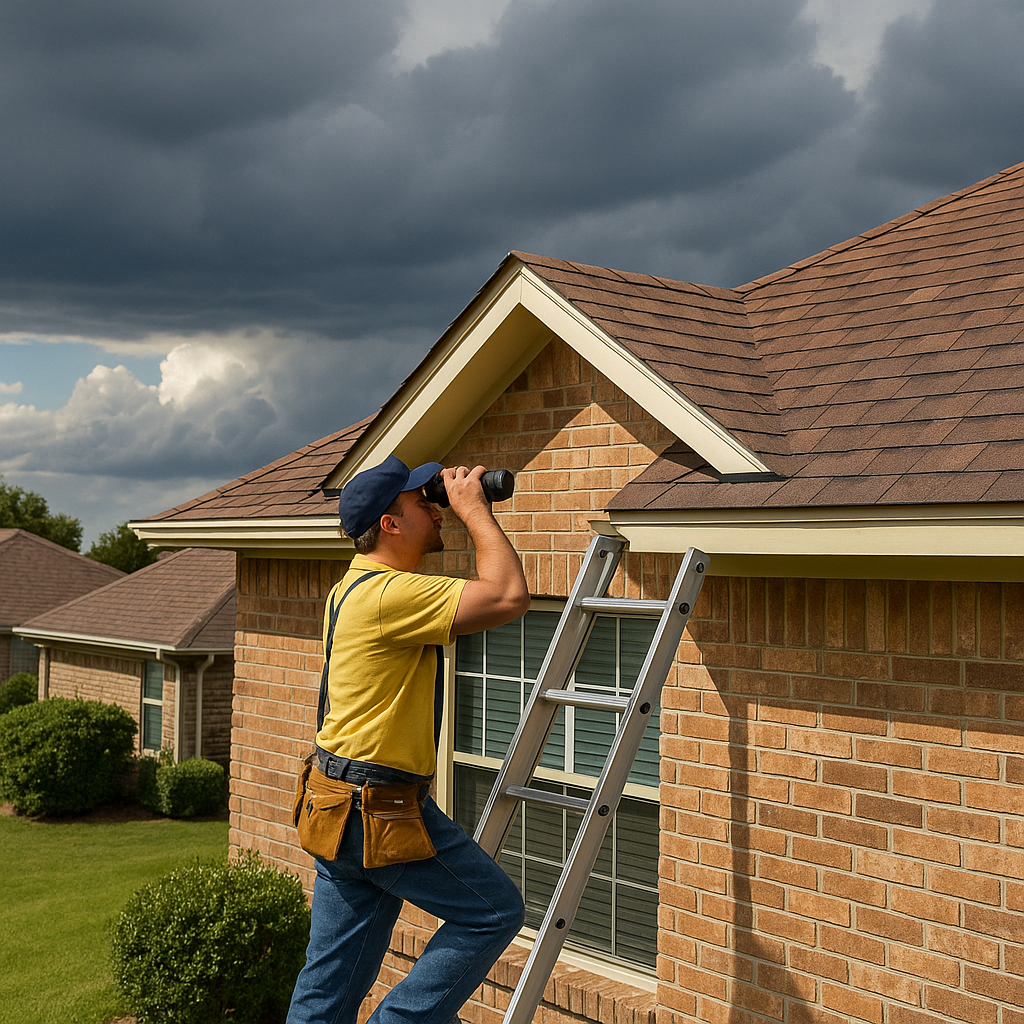
As a homeowner in Spring, TX, you know the Gulf Coast’s weather can turn severe in an instant. With the 2025 Atlantic hurricane season officially running from June 1 through November 30, now is the time to ensure your roof is up to the challenge. A proactive roof inspection can spot minor issues before they become catastrophic during high winds and torrential rains. In this comprehensive guide, Reality Roofing and Construction walks you through everything you need to know—from identifying loose shingles and damaged flashing to understanding when to call in the professionals. Whether you’re searching for “roof inspection near me” or simply want peace of mind, our local experts have you covered.
Understanding the 2025 Hurricane Season in Spring, TX
- Season Timeline
- Start: June 1, 2025
- Peak Activity: Typically mid-August through mid-October
- End: November 30, 2025
- Storm Patterns
- Warm Gulf waters fuel rapid storm formation.
- Wind shear fluctuations can either intensify or weaken storms as they approach land.
- Local Risks
- Spring, TX lies within proximity to both the Gulf shoreline and Houston’s urban heat island, increasing rainfall totals and flooding potential.
- Even tropical storms can produce hurricane-force gusts capable of ripping off loose roofing materials.
- Why Early Preparation Matters
- Roofing repairs and inspections can get booked solid once a named storm appears on the horizon.
- Insurance companies often require proof of pre-storm maintenance before approving wind or hail damage claims.
The Importance of Pre-Season Roof Inspections
- Financial Protection: Addressing a missing shingle now may cost $150–$300. Waiting until after a storm can push repairs well into the thousands.
- Insurance Compliance: Many policies stipulate regular maintenance; failure to inspect annually can jeopardize coverage.
- Home Value Preservation: A well-maintained roof boosts curb appeal and resale value—critical if the Texas real estate market tightens post-storm.
- Safety & Comfort: Minor leaks can seed mold growth in attic spaces, compromising indoor air quality and structural integrity.
Step-by-Step DIY Roof Inspection Guide
Before climbing a ladder, assemble these basic tools:
- Sturdy extension ladder with stabilizer
- Binoculars (for ground-level inspections)
- Chalk or masking tape (to mark problem areas)
- Flashlight (for attic checks)
- Leather work gloves and slip-resistant shoes
1. Ground-Level Overview
- Scan the Roof Profile: From 10–20 feet away, note any uneven areas or sagging planes.
- Look for Loose Shingles: High winds often lift edges—mark any curled or missing shingles with chalk.
- Check Flashing & Seals: Chimney, vent, and skylight flashing should sit flush against roofing material.
2. Climbing Safely
- Position the ladder on level ground, secure with stabilizer pads, and have a spotter if possible.
- Wear gloves and shoes with good traction; avoid walking in wet or moss-covered areas.
3. Inspecting Shingles & Underlayment
- Shingle Integrity: Press gently on shingles; brittle or cracked tiles indicate UV damage and require replacement.
- Granule Loss: Inspect gutter bottoms—excess granule buildup suggests accelerated shingle wear.
- Underlayment Check: At exposed roof edges, look for underlayment tears or blotches of felt paper; these are weak spots.
4. Flashing, Vents, & Penetrations
- Chimney Flashing: Look for rust, gaps, or separation between metal flashing and chimney masonry.
- Roof Vents & Skylights: Ensure sealant around these protrusions is intact and free of cracks.
- Pipe Boots: Rubber collars should fit snugly around vent pipes; replace if brittle.
5. Gutters & Downspouts
- Debris Removal: Clean out leaves and twigs that can trap moisture against fascia and shingles.
- Alignment & Slope: Gutters should slope toward downspouts—standing water can back up under shingles.
- Fastener Check: Loose gutter hangers can allow heavy rain runoff to overshoot your foundation.
6. Attic Inspection
- Daylight Test: From inside, look for shafts of light—any daylight penetrating indicates a hole or gap above.
- Water Stains & Mold: Brown spots or mildew growth on rafters signal past leaks.
- Ventilation & Insulation: Adequate airflow prevents moisture buildup; insulation should cover the floor but not block vents.
Common Roof Issues to Spot Before Storms
- Granule Loss & Bald Spots
- Causes: UV exposure, hail impact.
- Risks: Accelerated shingle wear, reduced fire resistance.
- Rusting or Corroded Flashing
- Causes: Age, trapped moisture.
- Risks: Water ingress around chimneys, dormers.
- Cracked or Missing Shingles
- Causes: Wind uplift, hail strikes, thermal cycling.
- Risks: Exposed underlayment, rot, interior leaks.
- Roof Deck Damage
- Causes: Long-term leaks leading to soft spots.
- Risks: Structural compromise, sagging areas.
- Inadequate Attic Ventilation
- Causes: Blocked soffit vents, absent ridge vents.
- Risks: Heat buildup, ice damming in winter, mold growth.
- Gutter & Downspout Blockages
- Causes: Accumulated debris, improper pitch.
- Risks: Overflowing water undermining fascia and siding.
Essential Safety Tips & Tools
- Never Inspect During Storms: Schedule inspections on clear days, ideally early morning to avoid heat stress.
- Proper Ladder Usage: Maintain three points of contact; extend ladder at least 3 feet above the eaves.
- Harness & Fall Protection: For steep-sloped roofs (>6:12 pitch), consider a safety harness anchored to a secure point.
- Protective Gear: Wear a hard hat if loose debris is present; UV-protective eyewear can shield you during bright conditions.
Why Choose Reality Roofing and Construction for Professional Inspections
- Local Expertise: Based in Spring, TX, our crews understand exactly how Gulf storms impact your neighborhood’s roofing materials.
- Fully Licensed & Insured: Peace of mind that all work meets Texas Department of Licensing & Regulation (TDLR) standards.
- State-of-the-Art Diagnostics: We deploy infrared imaging and moisture meters to detect hidden leaks before visible damage occurs.
- Comprehensive Reporting: After inspection, you receive a detailed report—complete with photos, severity ratings, and recommended fixes.
- Storm Response Ready: In the event of a named storm, our emergency team prioritizes disaster routes throughout Spring, TX and the greater Houston area.
Preparing for Hurricane-Ready Repairs and Maintenance
- Secure Loose Elements: Have us reinstall any lifted shingles or hammered-down flashing before sustained winds arrive.
- Trim Overhanging Branches: Limbs rubbing on roofing surfaces can strip granules and create entry points for water.
- Upgrade to Impact-Resistant Shingles: Consider Class 4-rated shingles that endure hail up to 2" in diameter.
- Seal Gutter and Roof Transitions: Replace aged sealant around gutters and metal drip edges to prevent wind-driven rain infiltration.
- Install Hurricane Clips or Straps: Reinforce roof-to-wall connections to resist uplift forces exceeding 130 mph.
- Stock Emergency Supplies: Keep tarps, nails, and sealant on hand in case a last-minute patch is needed post-storm.
Conclusion & Call to Action
Your roof is your home’s first line of defense against Spring, TX’s unpredictable weather and the looming threat of hurricanes. By scheduling a thorough roof inspection now—whether you’re searching for “roof inspection near me” or calling in experts—you safeguard your family, protect your investment, and comply with insurance requirements. Reality Roofing and Construction is here to guide you through every step: from DIY tips to full professional assessments.
Don’t wait until the next tropical system forms—contact Reality Roofing and Construction today to book your pre-season roof inspection. Our team will ensure your roof is hurricane-ready, so you can face the 2025 season with confidence.